
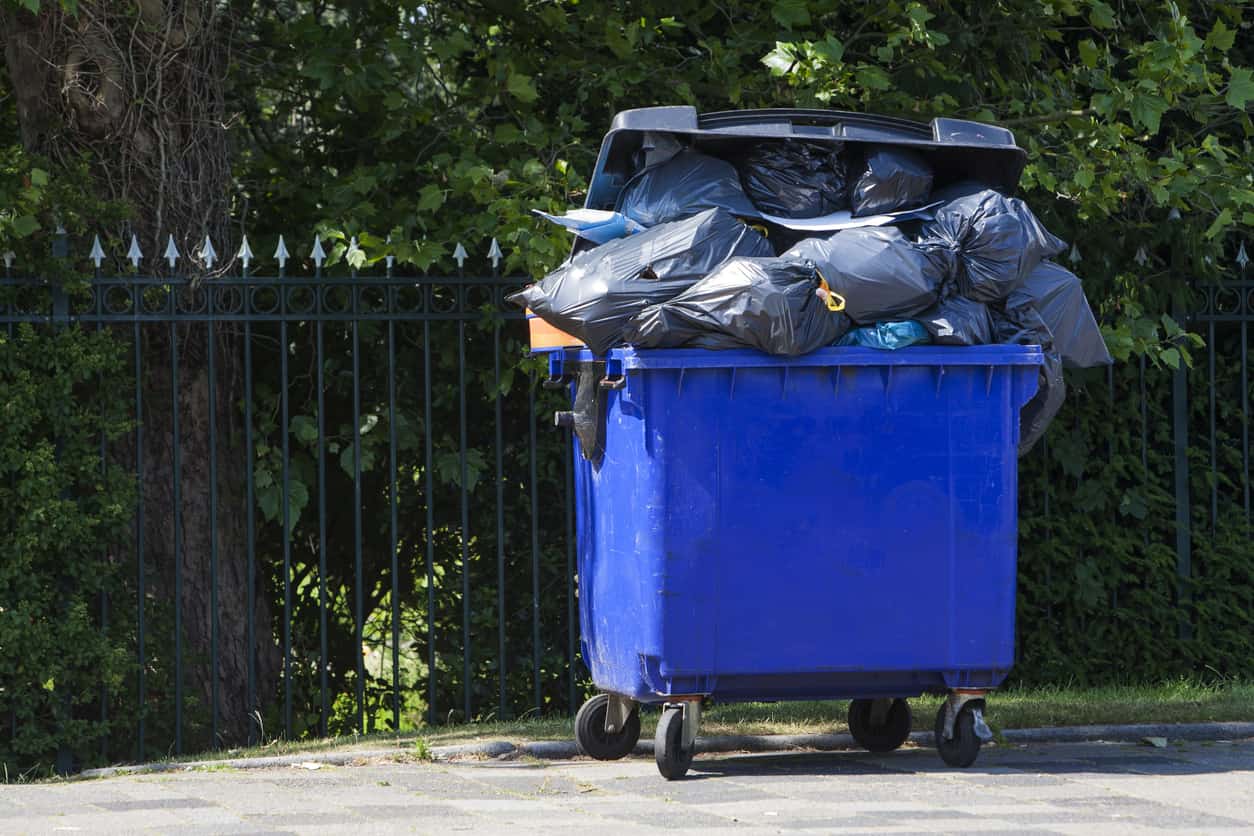
Effective waste management keeps your premises clean and tidy, costs under control, and regulatory requirements in check. However, simple mistakes in the way waste is sorted, stored, collected, or recorded can quickly make an otherwise effective system less efficient.
At ETM Recycling, we provide commercial waste management and recycling solutions for businesses across Bristol, Bath, and the South West, giving us extensive experience of the challenges organisations face when handling waste. In this article, we look at eight common waste management mistakes and how businesses can avoid them.
1. Failing to Segregate Waste Correctly
Poor waste segregation can lead to recyclable materials being lost or contaminated. Most businesses in England must also separate dry recyclables, food waste, and non-recyclable waste before collection, with micro-firms required to comply from 31 March 2027.
Businesses can improve segregation by:
- Providing clearly labelled containers for different waste streams
- Placing bins close to the areas where each type of waste is produced
- Giving employees clear guidance on which materials belong in each container
- Reviewing recurring contamination and adjusting signage or bin locations
Working with an experienced waste management provider can make it easier to establish a practical segregation system that suits the waste streams your business produces.
2. Using the Wrong Waste Containers
Choosing containers based purely on price or convenience can create unnecessary problems. A container that is too small may overflow before the next collection, while one that is unnecessarily large could take up valuable space and result in an inefficient service.
Different materials can also have different storage requirements. Commercial waste should be kept safely and securely in suitable containers, with measures taken to prevent waste escaping or becoming contaminated.
3. Arranging Inefficient Collection Schedules
Waste volumes vary between businesses, so collection schedules should reflect actual requirements. Reviewing how quickly containers fill allows collections to be increased during busy periods or reduced when waste volumes fall, helping prevent overflowing bins and unnecessary costs.
When reviewing your collection schedule, consider:
- How much waste your business produces each week
- Whether output changes seasonally or during particular projects
- How quickly individual waste streams fill their containers
- The amount of storage space available on site
- Your operating hours and suitable collection times
At ETM Recycling, we tailor commercial waste services around individual requirements, including collection frequency, container needs, and working hours.
4. Overlooking Waste Management Documentation
Businesses have a duty of care for their commercial waste, including ensuring it is handled correctly by authorised organisations and accurately recorded through appropriate waste transfer documentation.
Keeping clear records helps demonstrate compliance and track where waste goes. At ETM Recycling, we support compliant waste management throughout the process, including the required duty of care documentation.
5. Treating All Waste as General Waste
Placing everything into general waste can prevent valuable materials from being recycled. Businesses should identify their main waste streams, including cardboard, plastic, metal, glass, and wood, and use the most appropriate recycling or specialist disposal route for each.
A waste review can help businesses:
- Identify their main waste streams
- Find materials currently being placed in the wrong containers
- Spot opportunities to increase recycling
- Determine whether additional containers are worthwhile
- Reduce unnecessary reliance on general waste disposal
Our Bristol recycling facility processes a wide range of commercial and construction waste, helping businesses find more appropriate routes for materials that might otherwise be treated as general waste.
6. Ignoring Hazardous or Specialist Waste
Hazardous waste has special requirements that means it needs to be handled separately from general commercial waste.
If your business produces any of these kinds of waste, then this will need to be incorporated into your recycling strategy:
- Hazardous chemicals
- Oils
- Batteries
- Solvents
- Asbestos
Incorrect handling can create safety, environmental, and compliance risks, so businesses should identify potentially hazardous materials correctly and consult their waste management provider about the appropriate disposal route.
7. Failing to Monitor Waste Performance
Without accurate data, businesses may struggle to measure waste management performance. Monitoring waste volumes, recycling rates, and landfill diversion can reveal trends, highlight inefficiencies, and identify opportunities for improvement.
Useful information to monitor includes:
- Waste volumes or weights
- Recycling rates
- Landfill diversion performance
- Changes in individual waste streams
- Collection frequency
- Recurring contamination issues
At ETM Recycling, we use our computerised ticketing system to track recycling rates and provide records and recycling reports, helping clients better understand their waste performance.
8. Choosing a Waste Provider Based on Price Alone
Cost matters, but the cheapest waste collection may not offer the best long-term value. Reliability, flexibility, compliance, recycling capabilities, reporting, and suitable containers should all be considered when choosing a provider.
Businesses should also ensure waste carriers are registered and use authorised facilities. Choosing a provider that understands your waste streams can support more efficient collections, better recycling, and clearer waste management.
Avoid Common Waste Management Mistakes with ETM Recycling
Avoiding common waste management mistakes starts with understanding what your business throws away, separating materials correctly, choosing suitable containers, and arranging collections when you actually need them. Regularly reviewing performance can then help identify further opportunities to improve recycling and reduce unnecessary waste.
At ETM Recycling, we provide tailored commercial waste management, recycling, collections, container hire, and reporting for organisations across Bristol, Bath, and the South West. Speak to our experienced team today to get started.


